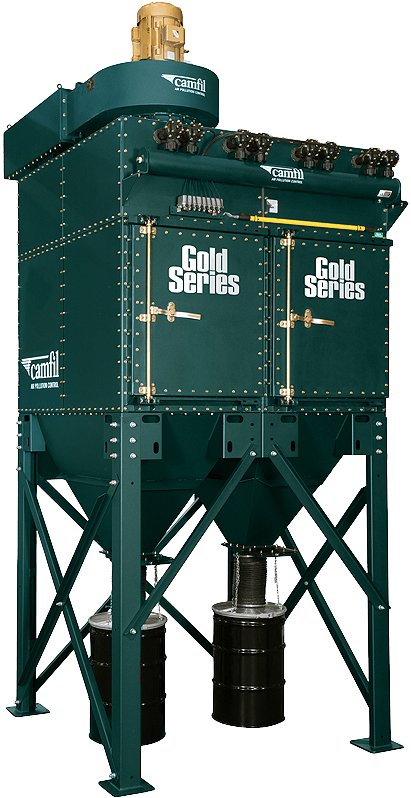
Gold Series - The Ultimate Dust Collector

Gold Series Applications on Plasma Cutting Tables

Calculating Air Flow

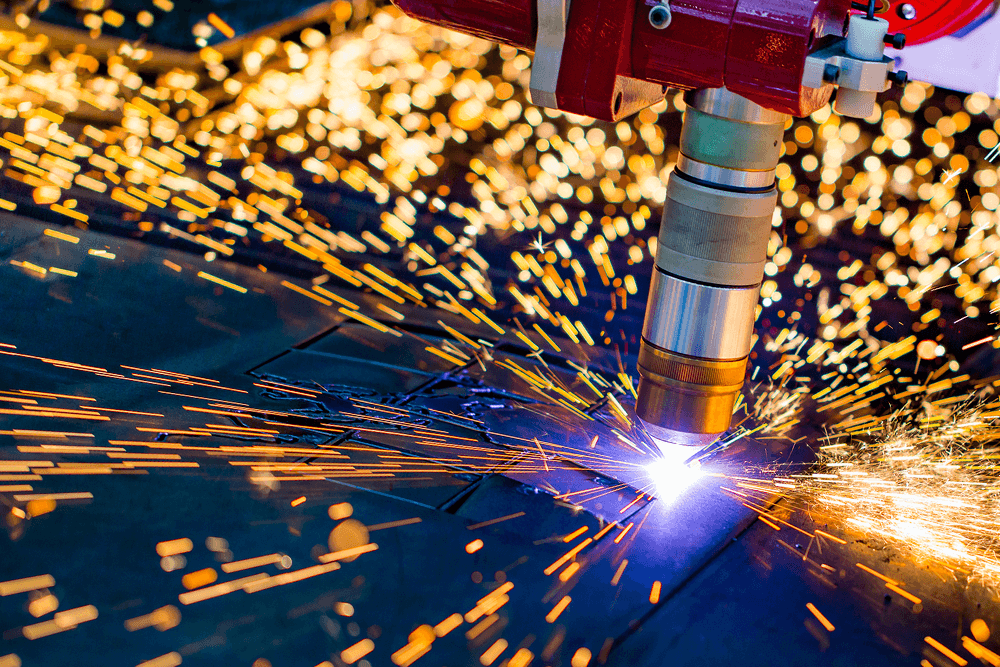
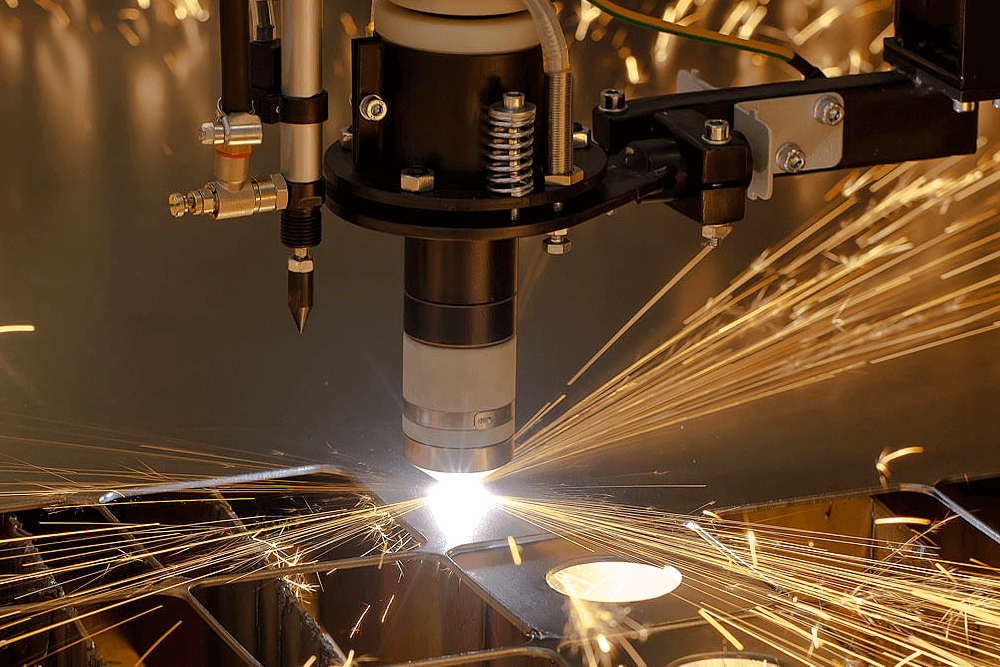
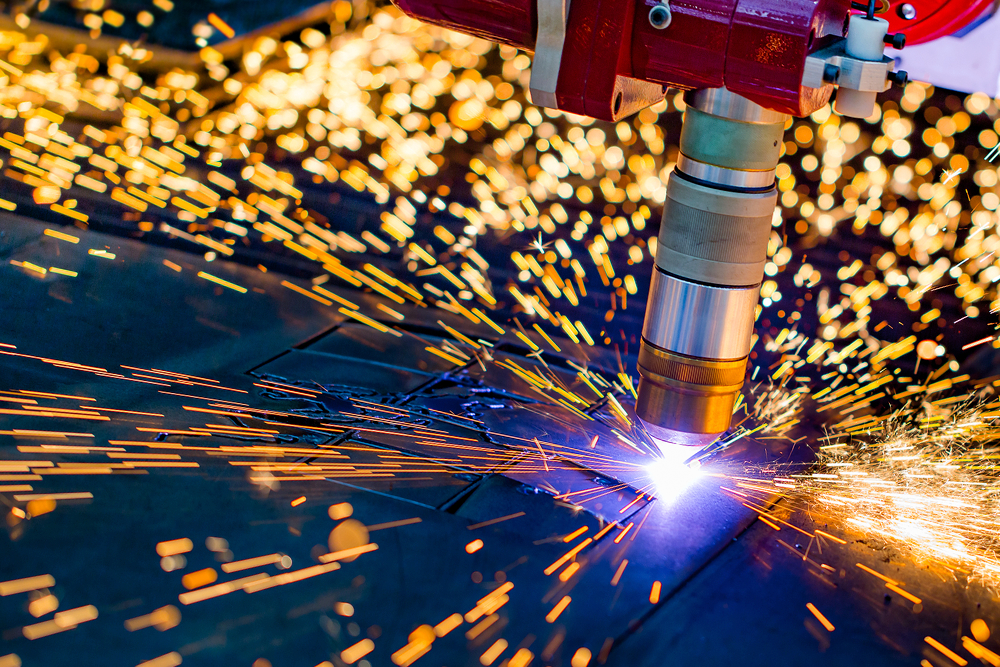
Plasma cutters are available in portable units much like an acetylene torch as well as CNC controlled plasma tables. The application that this paper addresses is for CNC Plasma tables.

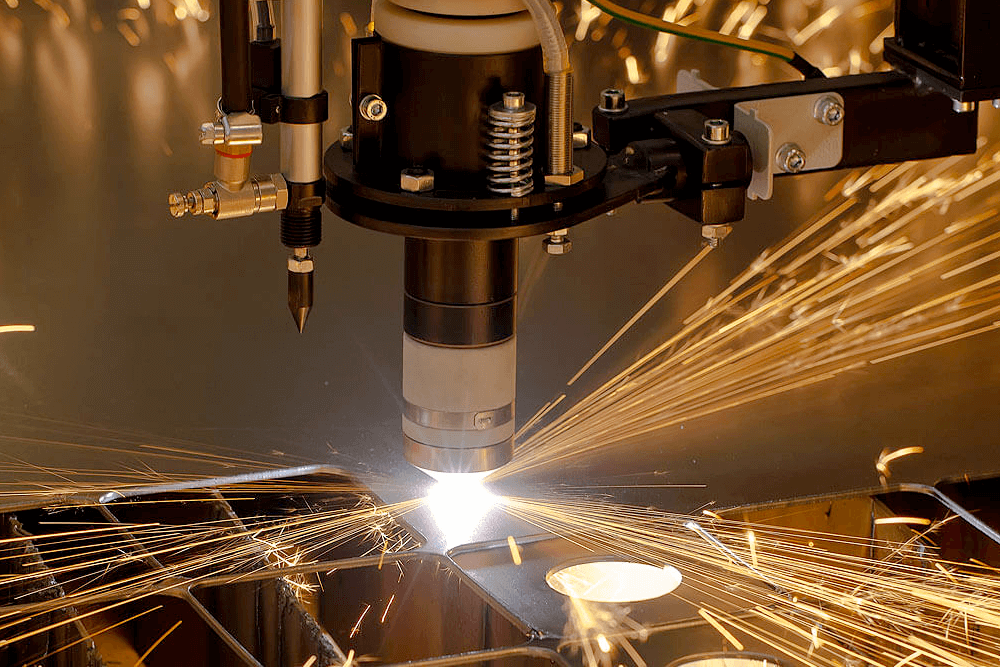
The metal that is to be cut is laid on a table that has an open grate and enclosed sides. The plasma cutter is mounted to a gantry that positions and moves the plasma head to cut the desired pattern in the metal. The molten metal and smoke that is generated is pulled down through the grate. The sparks and molten metal settle out in the area below the grate. The smoke is then removed through the duct work and filtered through the Gold Series Collector.

There are two ways of aspirating the table. The total area of the table can have a downdraft of air through the grate, or the table can be broken up into zones.

If the total area of the table is to be aspirated, then the airflow should be calculated at 50 to 100 cubic feet per minute for every square foot of table area. If the material that is being cut covers most of the table the lower air volume can be used. If most of the table is open during the cutting process, then the higher air volume should be used. Depending on the size of the table, multiple pick up points and baffles may be needed to insure even distribution of air through the table.

A zoned table has a series of gates that opens and close along the length of the table as the cutting head moves along the length of the table. The zones need to be a minimum of 4 feet in length to assure capture of the smoke. The advantage of zoning the table is reducing the amount of air needed to properly remove the smoke from the cutting operation. The zone concept is best suited for very long tables. The disadvantage to the zone concept is the multiple automatic gates and control of these gates. The airflow should be no less than 125 cubic feet per minute per each square foot of zone area.

Application of the Gold Series on plasma cutting tables

Two of the most important factors in sizing the collector is the expected amount of smoke particulate being collected and the material being cut.

Several things affect the amount of particulate being collected or loading. First is the amperage of the plasma cutter itself. A 300 amp plasma will cut much faster and have a much higher loading than a 100 amp plasma. Also some tables may have two heads operating at the same time.

A zoned table will have a much higher loading due to the lower airflow for the amount of material being collected. It can be compared to source capture verses general ventilation on non zoned tables.

The air to cloth ratio for cutting carbon steel can be as high as 1.75:1 on light loadings and heavy loadings should be at no more than 1.25:1.

If aluminum is being cut, than the air to cloth ratio should also be lowered. The air to cloth should be no more than 1:1 on lighter loadings and as low as .5:1 on very heavy loadings.

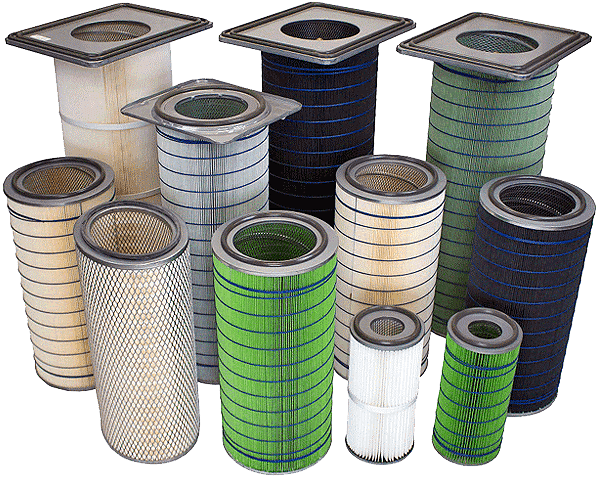
The Gold Series PTF (Polytech Flame Resistant) cartridges with 325 square feet of media per cartridges should be used in this application at the above referenced air to cloth ratios.

Laser Tables

Laser tables use a different technology for cutting than do plasma tables, but the applications are very similar. The particulate from laser is much smaller and more spherical. Even though the loading is much lighter, the air to cloth ratio should be from 1:1 up to a maximum of 1.25:1.

Safety Considerations

The Gold Series channel baffle inlet should be used to help deflect any sparks that make it to the collector. A spark drop out box should also be considered. A baffle arrangement in the table itself that creates a torturous path for the sparks being generated is also helpful in preventing the sparks reaching the collector. In extreme cases, spark detection and suppression should be considered.

Fire retardant cartridges should always be used in this application, as well as sprinkler heads in the collector itself.

Explosion vents should also be included when cutting aluminum. The collector should be located outside. The smoke or oxidized aluminum is not explosive, but if any fine aluminum particles are being generated and transferred to the collector an explosion hazard may exist. It is best to have the customer check with his Insurance carrier and follow all NFPA 654 Standard for the Prevention of Fire and Dust Explosions from the Manufacturing, Processing and Handling of Combustible Particulate Solids, 2000 editon.

Energy Savings

Exhausting heated air outside during the winter is EXPENSIVE. It takes 541,758 BTU/hr to raise the temperature of the air being exhausted in a 20,000 Cubic Foot per minute system from 40 to 65 degrees Fahrenheit. Calculating the cost 50 cents per 1 therm or 100,000 BTUs the total dollars per hour thrown out the window is $2.70. That is almost $500 a month based on an 8 hour shift.

Check with your local Energy company, many offer incentives for investing in energy saving equipment.

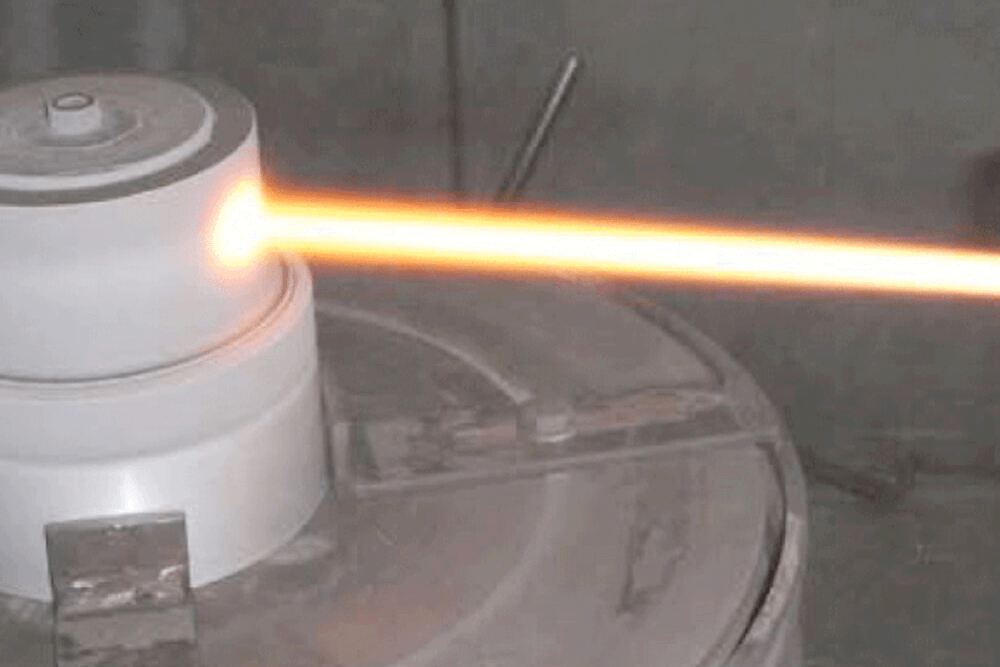
Plasma cutters work by sending an electric arc through a gas that is passing through a constricted opening. The gas can be shop air, nitrogen, argon, oxygen, etc.

This elevates the temperature of the gas to the point that it enters a 4th state of matter. We all are familiar with the first three: ie, solid, liquid and gas. Scientists call this additional state plasma. As the metal being cut is part of the circuit, the electrical conductivity of the plasma causes the arc to transfer to the work.

The restricted opening (nozzle) the gas passes through causes it to squeeze by at a high speed, like air passing through a venture in a carburetor. This high speed gas cuts through the molten metal. The gas is also directed around the perimeter of the cutting area to shield the cut.


References

Acosta Sheet Metal
Amada American
Automotive Safety Compnay
Garco Building Systems
Lozier Corporation
MDiebold Incorporated
Mississippi Laser
Motoman
Motion Robotics
Moore Diversified Products
Pro Productions
Raymond Corporation
Schuler Manufacturing
Shamrock Trailers
Tenant Company
United Sheet Metal
VP Buildings
Wilson Trailors

Comparison Sheets
Gold Series - Features
Gold Cone Technology
Gold Series - Models
Gold Series - Applications
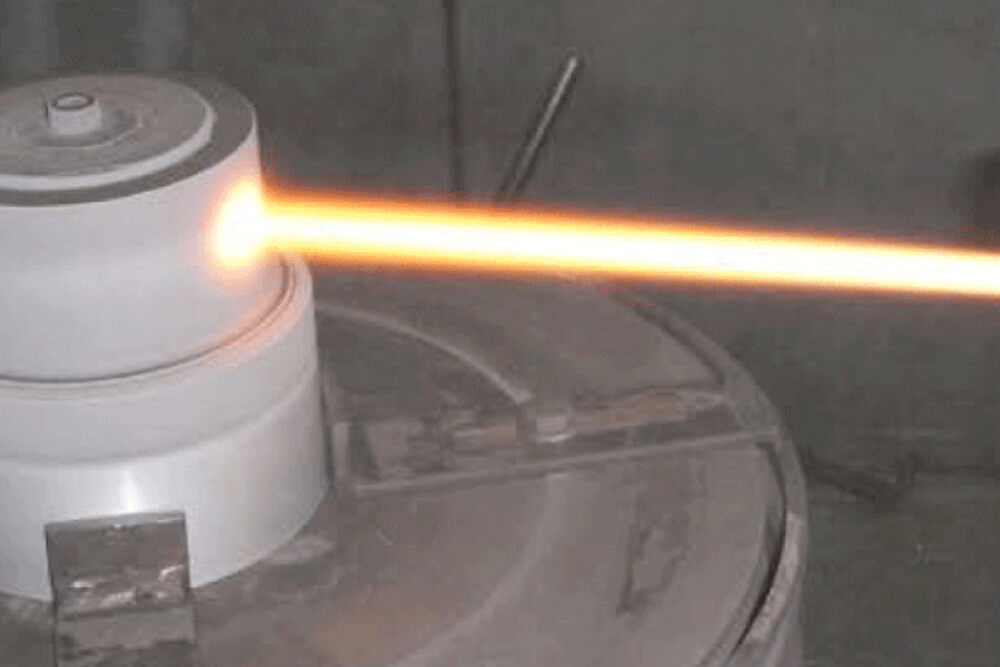
Plasma illustration
© Copyright 2008, Farr Air Pollution Control