Americas


Dust, Fume and Mist collectors for challenging industrial applications



Food Processing
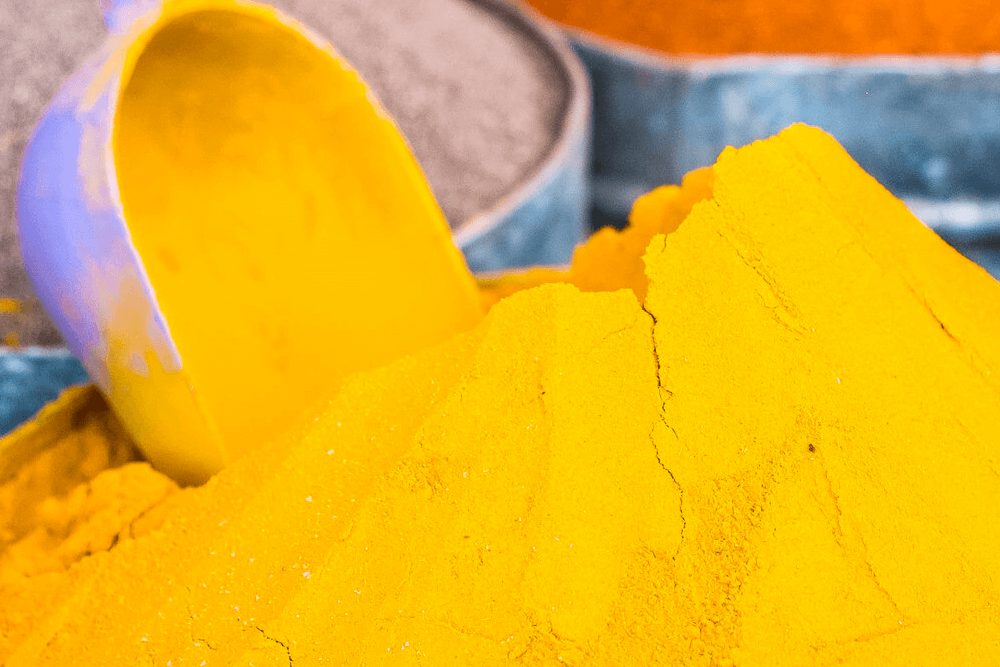
Companies in the food processing industry take raw agricultural products (such as grains) and turn them into the food products that we eat every day.
Learn More
Pharmaceutical
Two concerns are critical when handling pharmaceutical dusts: Personnel exposure to potent, toxic or allergenic dusts, and the explosion properties of the dusts.
Learn More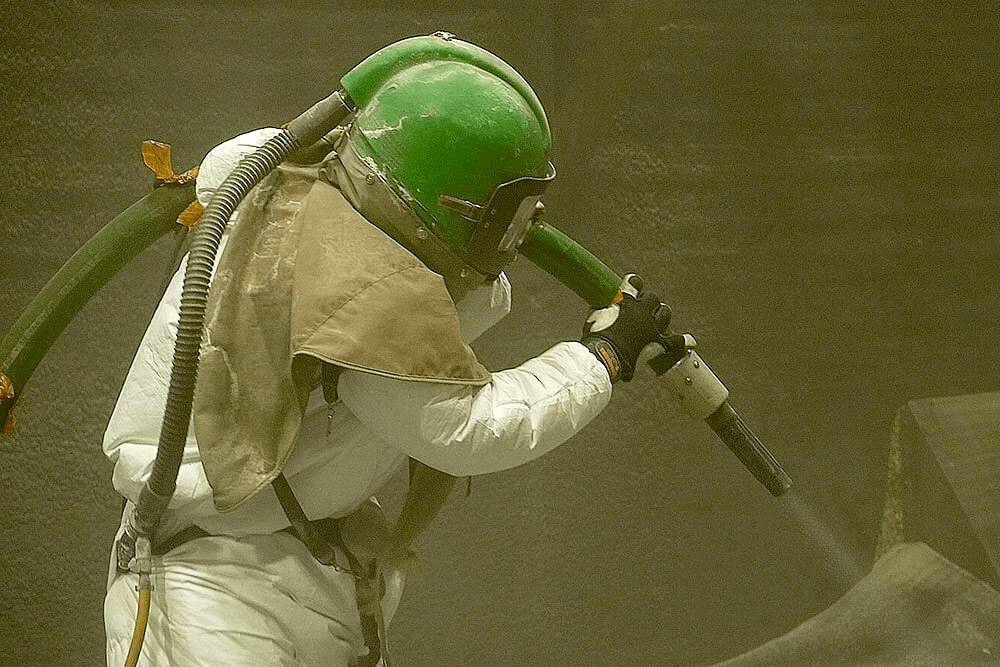
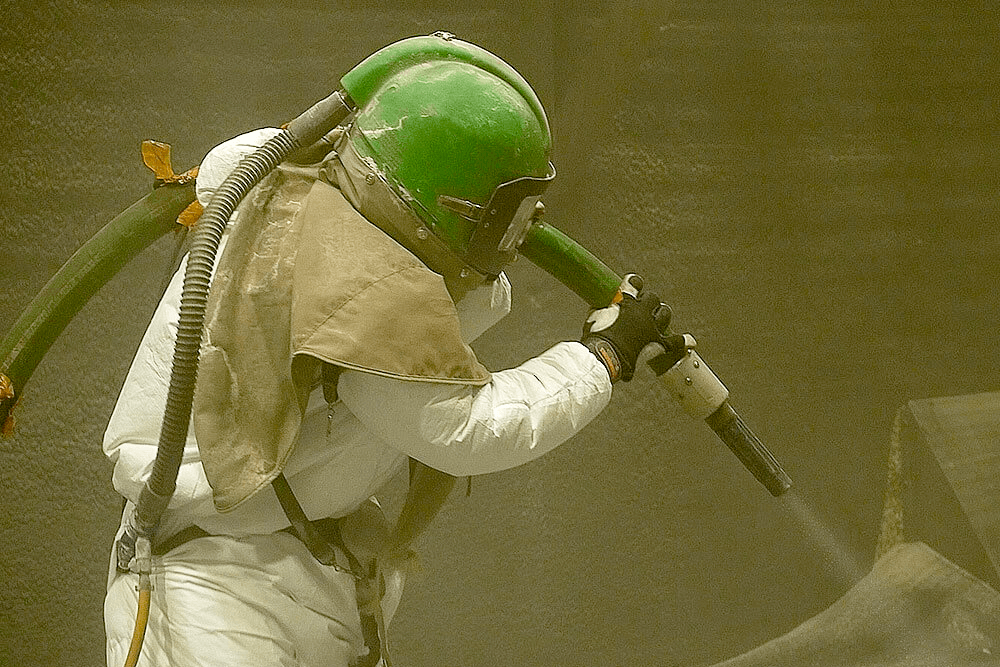
Abrasive Blasting
Dry blasting is most often used to remove contaminants and irregularities from a metal surface to create a specific finish, prepare it for paints or coatings or enhance its performance characteristics.
Learn More
Chemical Processing
Chemical manufacturers create the adhesives, foams, plastics and other raw materials that are used to make most consumable products.
Learn More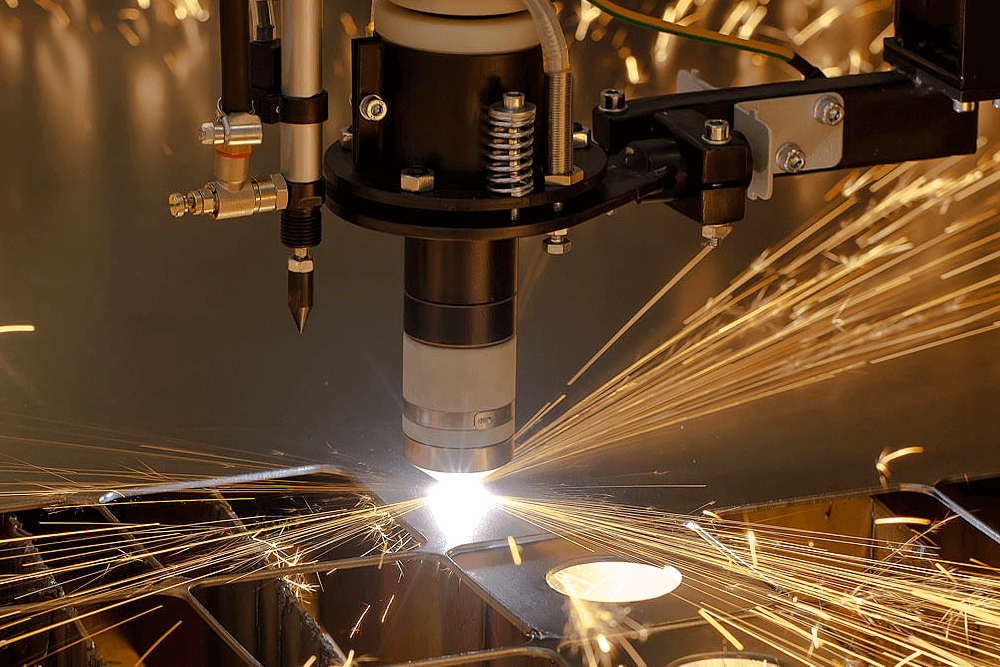
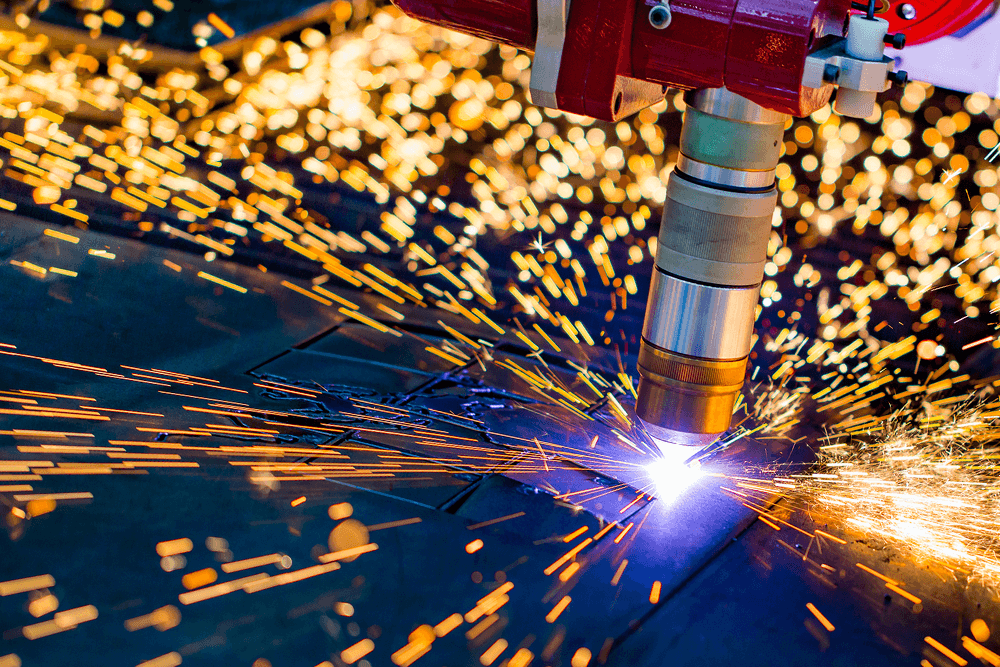
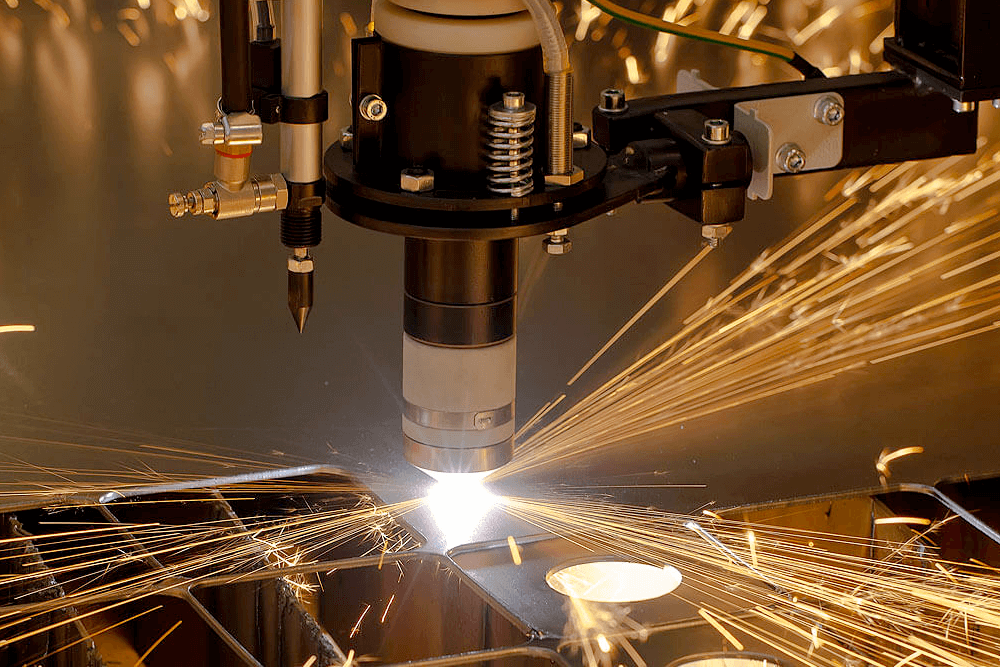
Laser Cutting
There have been many changes in laser cutting technology, including new metal thicknesses and more varieties of metal including mild steel, stainless steel, copper and brass.
Learn More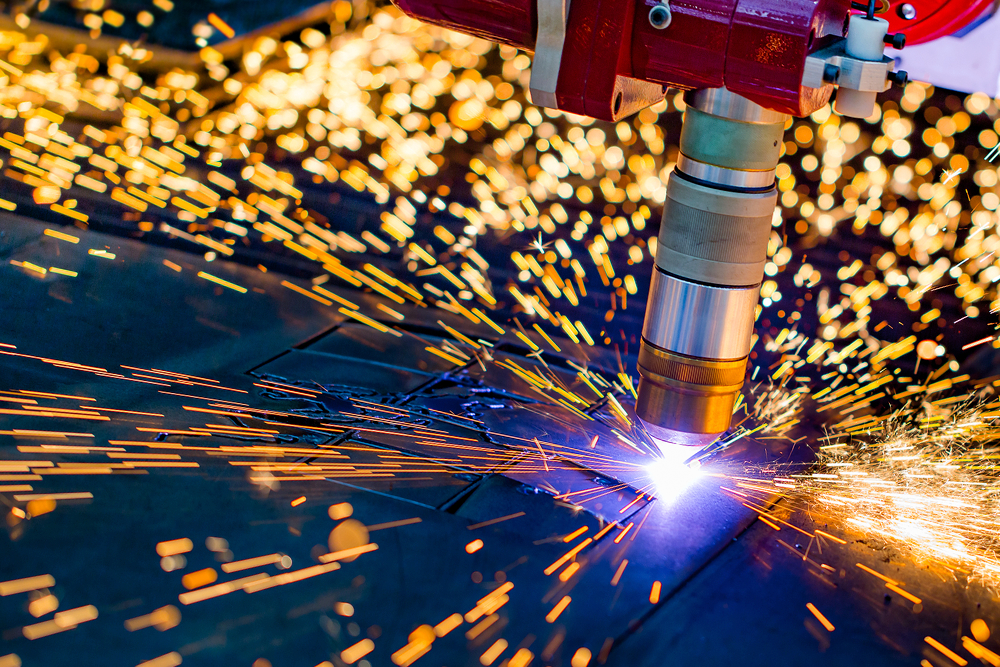
Plasma Cutting
Plasma cutting is used for a variety of metals, including stainless steel, aluminum and copper. Plasma tables generate molten metal, smoke, and gases which can be breathing hazards for machine operators.
Learn More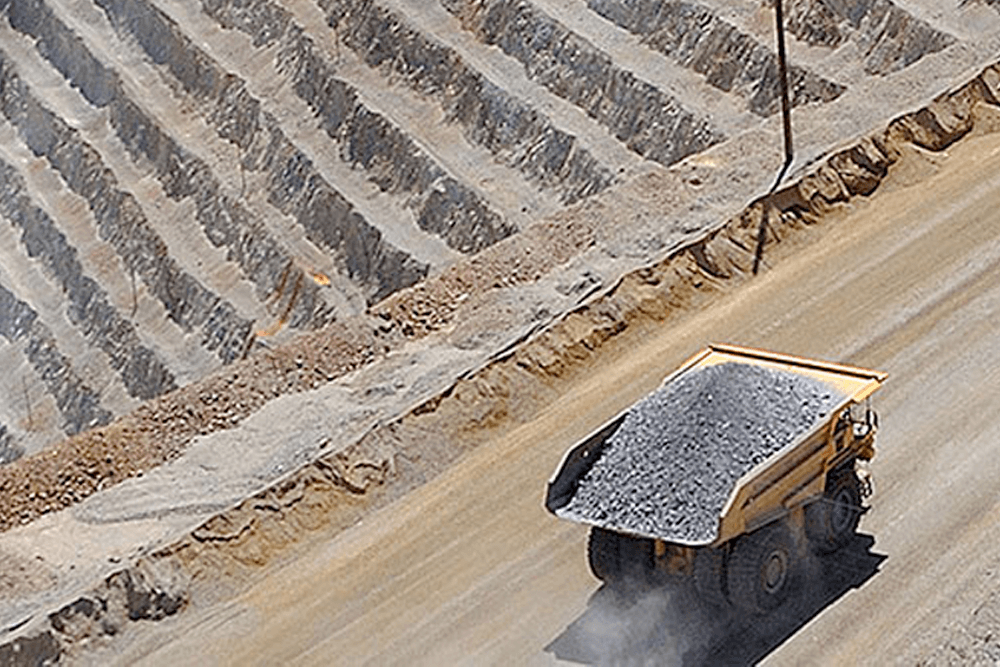
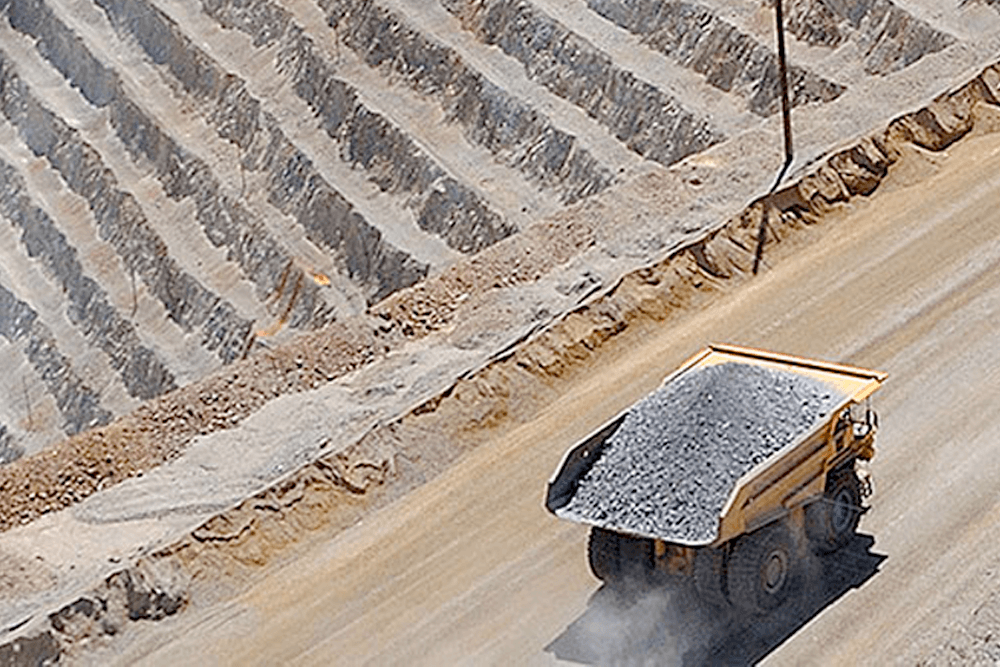
Mining
It's very challenging to control dust from mining processing equipment, such as crushing, screen, and conveyor transfer points.
Learn More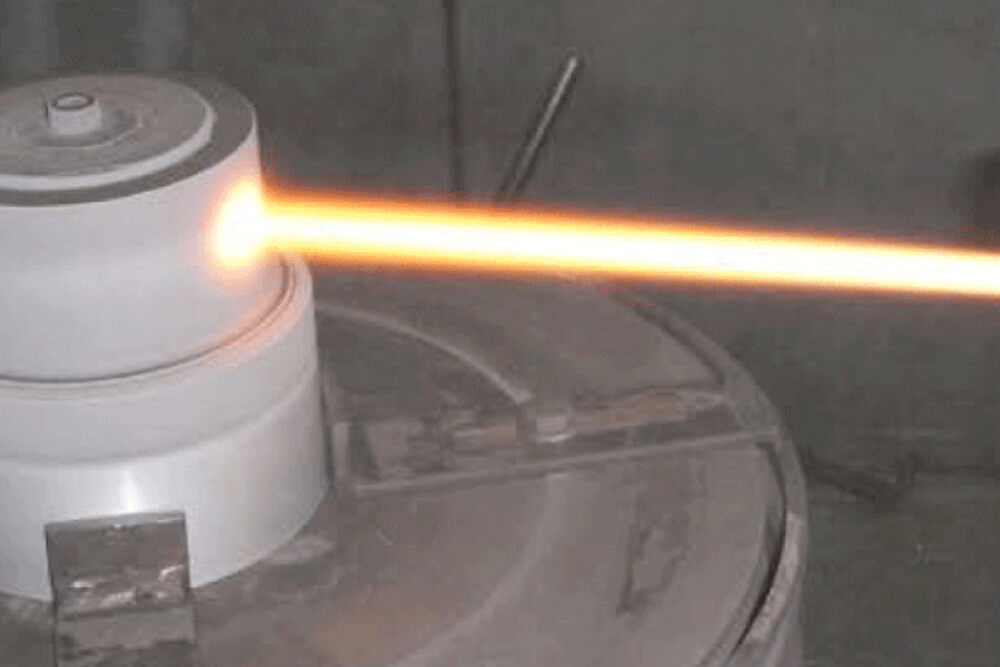
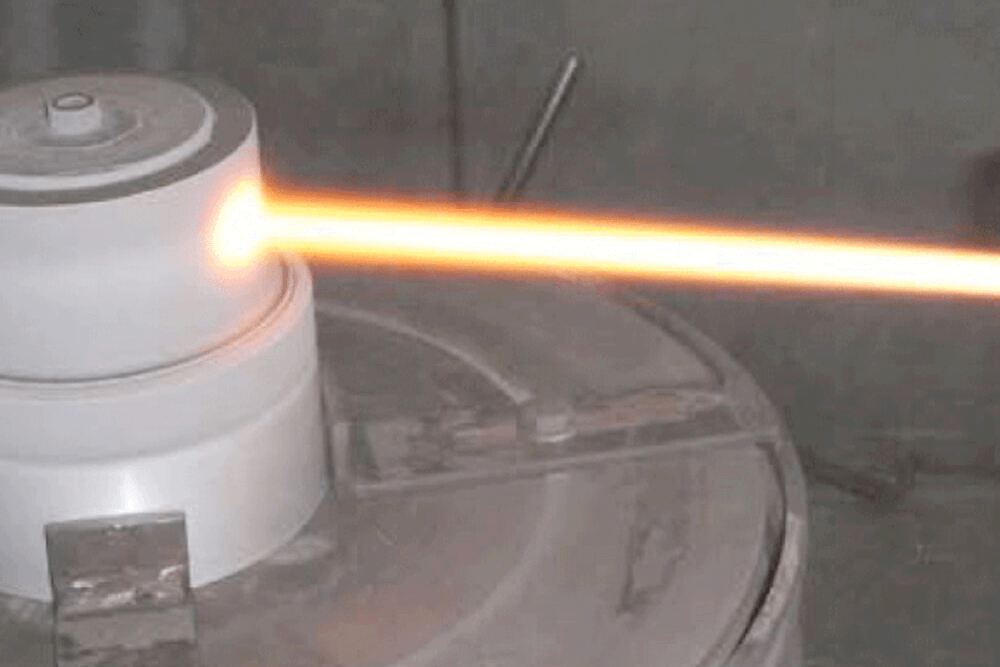
Thermal Spray
The thermal spray powder coating process atomizes molten metals, which can produce contaminants that threaten worker health and safety.
Learn More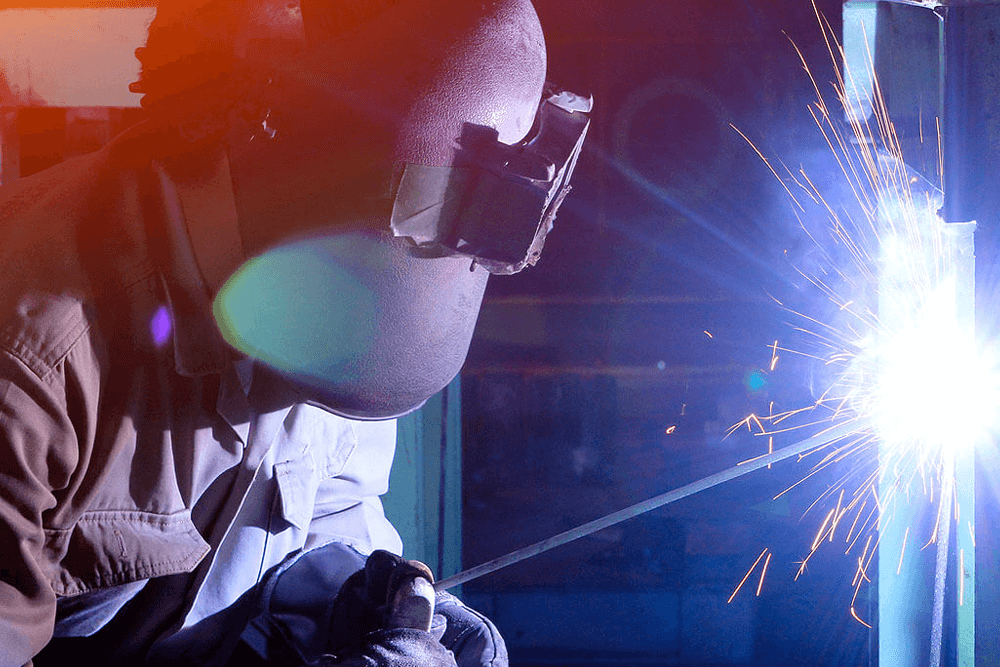
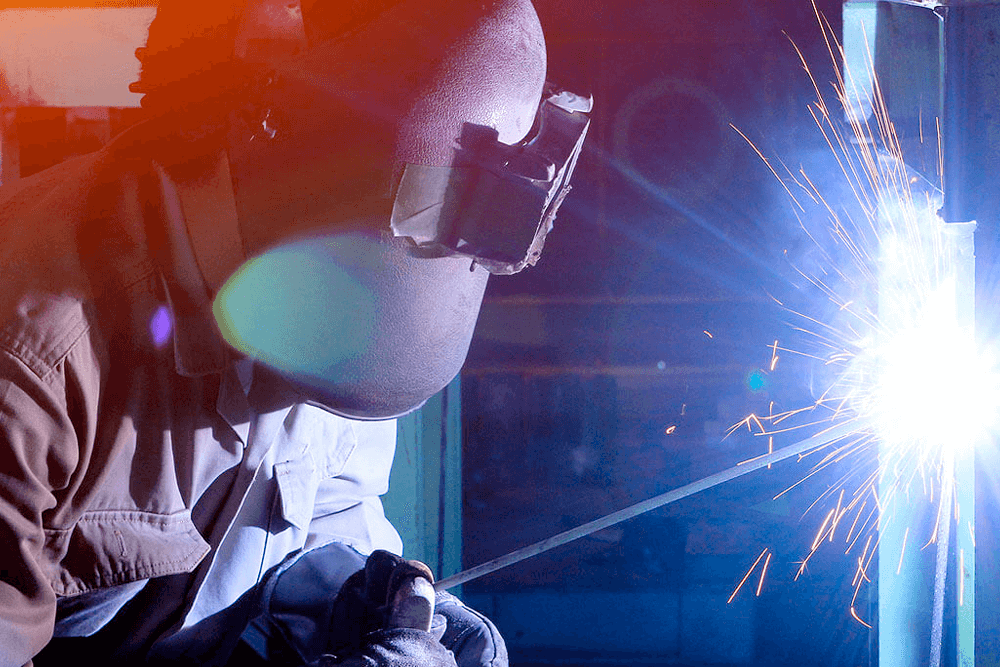
Welding
Capturing the dust, smoke and fumes generated during welding presents a unique challenge.
Learn More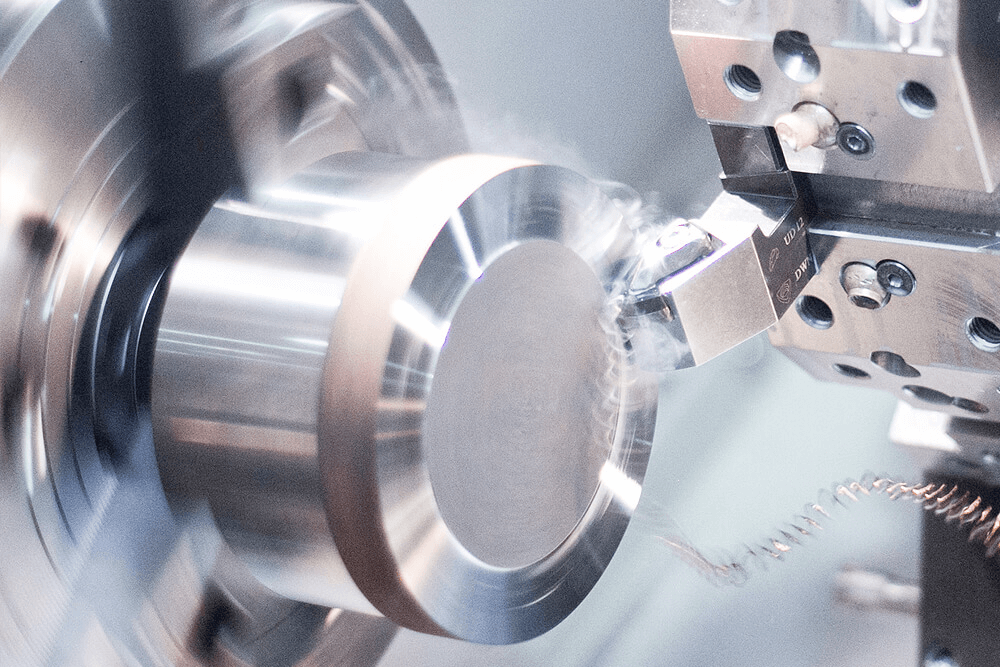
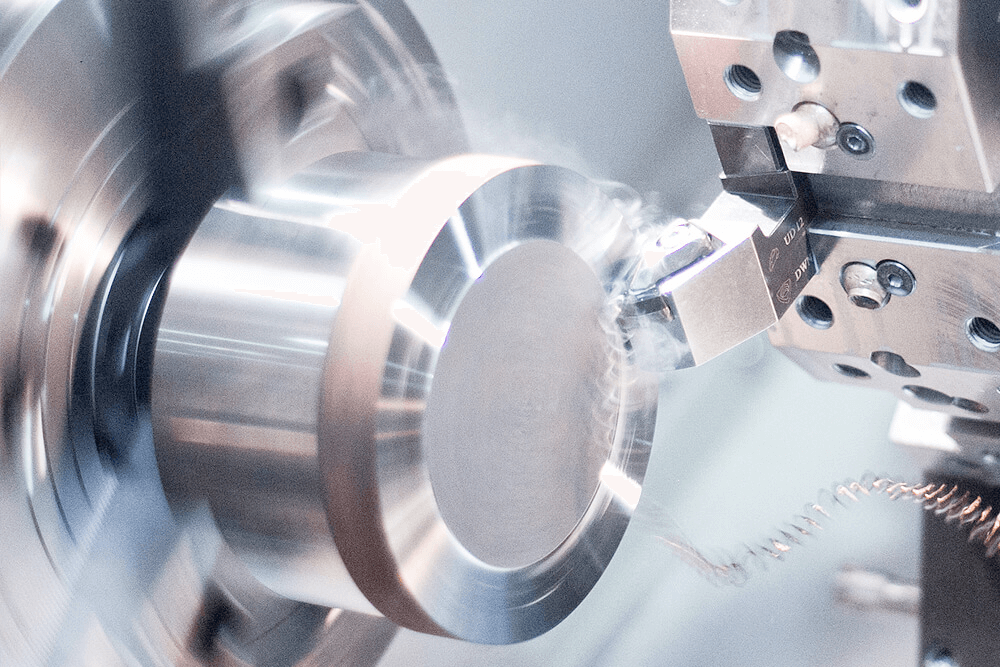
Machining
The metalworking fluids (MWF) commonly used during machining processes—oils and coolants—generate mists in the work environment.
Learn More
Grain, Feed & Seed
Silos and processing facilities of grains and feeds produce dangerous airborne dusts.
Learn More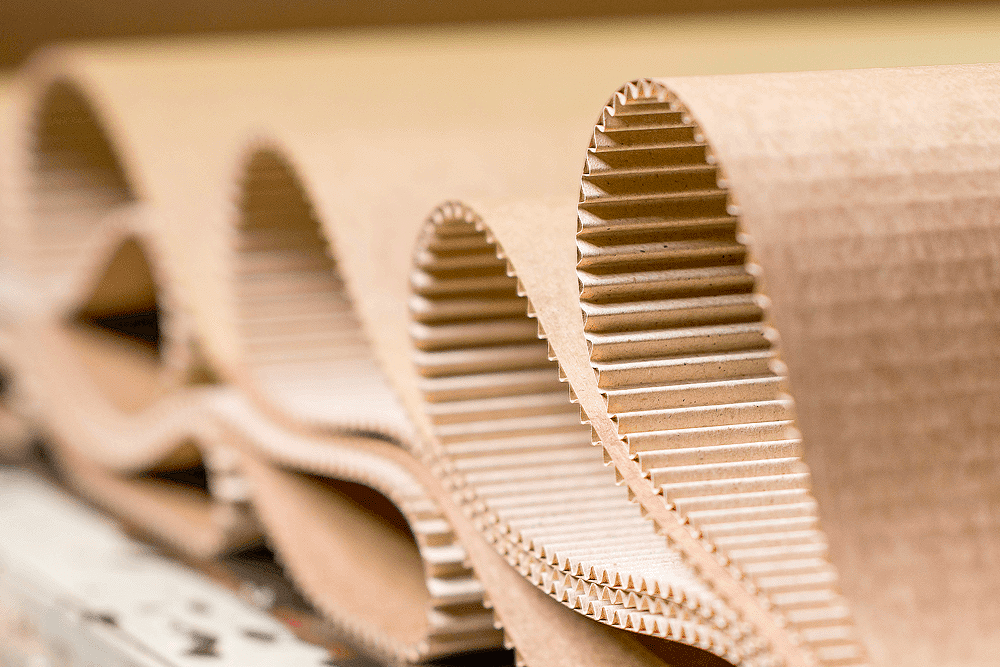
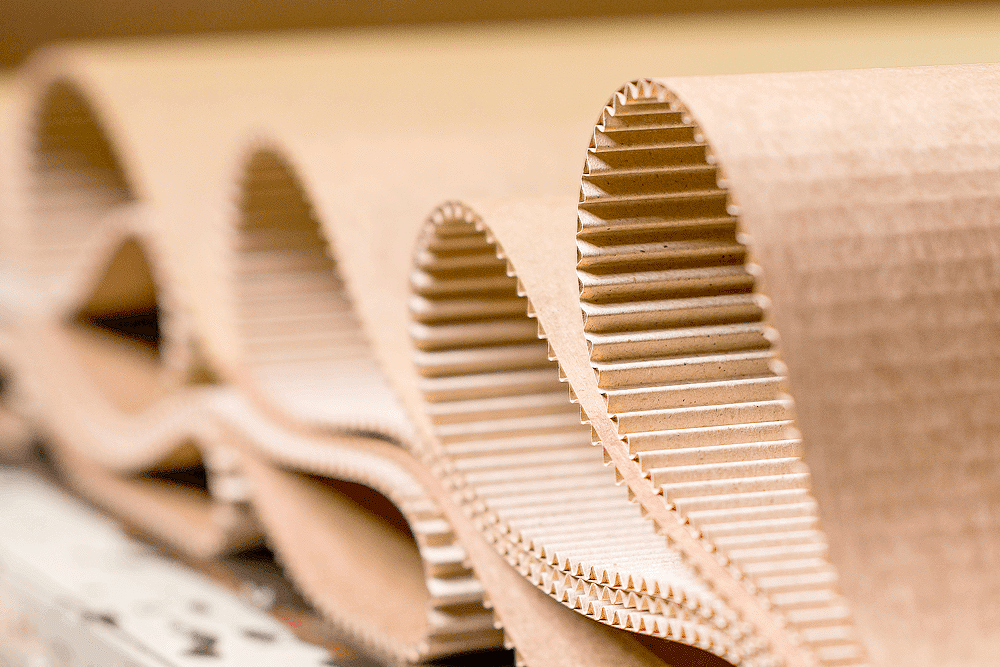
Packaging Materials
Dust particles become airborne during the manufacture and processing of paperboard, plastic and metal packaging materials.
Learn More